

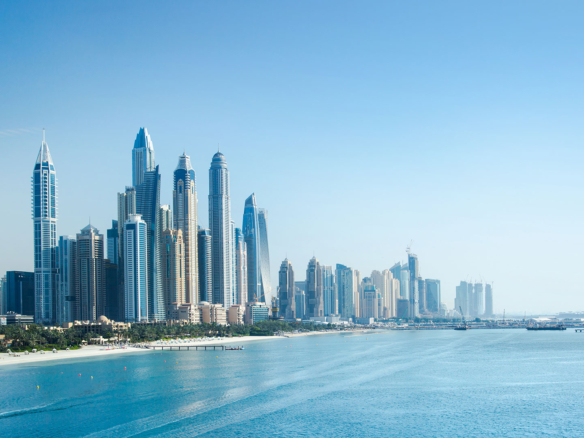
Dubai’s real estate market is one of the most dynamic and talked-about property sectors in the world. Known for its skyline filled with architectural wonders, tax-free benefits, and high returns, Dubai continues to attract global investors year after year.
But understanding how the Dubai real estate market works — and how to make the most of it — is essential before you invest or buy.
Here’s a complete breakdown of what you need to know to understand the Dubai real estate market in 2025.
1. The Market at a Glance
The Dubai real estate market is built on three pillars:
-
Transparency and regulation (through RERA and the Dubai Land Department)
-
Global demand driven by investors, expats, and high-net-worth individuals
-
Consistent innovation, from off-plan projects to smart-city developments
In 2025, the market remains stable and growth-oriented, with both rental and sales prices increasing moderately compared to previous years.
2. Why Dubai Attracts Investors Worldwide
Dubai offers a unique combination of factors that make it a global real-estate magnet:
✅ Tax-free investment environment (no property or capital gains tax)
✅ High rental yields — typically 6–10% annually
✅ Residency visas for investors and property owners
✅ World-class lifestyle with strong safety and infrastructure
In short: Dubai’s market isn’t just about luxury — it’s about opportunity and security.
3. Freehold vs Leasehold Explained
Foreign investors can own property in designated freehold zones, meaning you own both the home and the land.
-
Freehold areas: Downtown Dubai, Dubai Marina, JVC, Business Bay, Palm Jumeirah
-
Leasehold: Ownership of the property for up to 99 years (no land ownership)
Tip: Always verify the property type and confirm registration with the Dubai Land Department (DLD).
4. Market Segments to Know
The Dubai real estate market can be divided into three main segments:
-
Luxury Properties – Palm Jumeirah, Dubai Hills, Emirates Hills
-
Mid-Range Properties – JVC, Arjan, Dubai South
-
Affordable Housing – Dubailand, International City, Discovery Gardens
Each segment serves a different buyer profile, offering flexibility for both homeowners and investors.
5. Current Market Trends (2025 Snapshot)
-
Sustainable living: Green communities and eco-friendly buildings are in demand.
-
Short-term rentals: The Airbnb market continues to thrive due to tourism.
-
Off-plan boom: Developers offer flexible post-handover plans up to 5 years.
-
Digitalization: Online property transactions through DLD and blockchain systems are streamlining the buying process.
6. Investment Hotspots in Dubai
If you’re planning to invest, these areas are currently among the most promising:
🏙️ Business Bay – Central, modern, and high rental demand.
🌴 Palm Jumeirah – Ultra-luxury villas and branded residences.
🏘️ Dubai Hills Estate – Perfect balance of family living and ROI.
🏢 Jumeirah Village Circle (JVC) – Affordable with strong rental yields.
🌅 Dubai Creek Harbour – New waterfront icon with future appreciation potential.
7. Legal and Regulatory Framework
The Dubai Land Department (DLD) and the Real Estate Regulatory Agency (RERA) regulate all property transactions.
Key features include:
-
Title deed registration via DLD
-
Escrow accounts for off-plan projects (protecting buyers’ funds)
-
RERA certification for all agents and brokers
These measures ensure transparency, fairness, and investor confidence.
8. Understanding Costs and Fees
When buying property in Dubai, factor in:
-
4% DLD transfer fee
-
Agency commission (~2%)
-
Service charges (annual building maintenance)
-
Mortgage or bank fees (if applicable)
Tip: Always calculate your total acquisition cost before committing.
9. Rental Market Insights
The rental market remains strong due to Dubai’s large expatriate population and continuous influx of professionals.
-
Annual rental yield averages: 6–8% apartments, 5–7% villas
-
Short-term rentals often outperform long-term leases in popular tourist areas.
10. The Future Outlook
Dubai’s Vision 2040 aims to expand green spaces, create new communities, and improve infrastructure — ensuring sustainable long-term real-estate growth.
New mega-projects like Dubai Islands, Creek Harbour, and Downtown South will further boost property values.
Conclusion
Understanding the Dubai real estate market means recognizing its balance of opportunity, stability, and innovation.
Whether you’re buying a luxury penthouse or an off-plan investment, research, timing, and trusted guidance are key to success.
Dubai isn’t just a real-estate destination — it’s a lifestyle, a global hub, and a long-term investment in the future.


Join The Discussion